
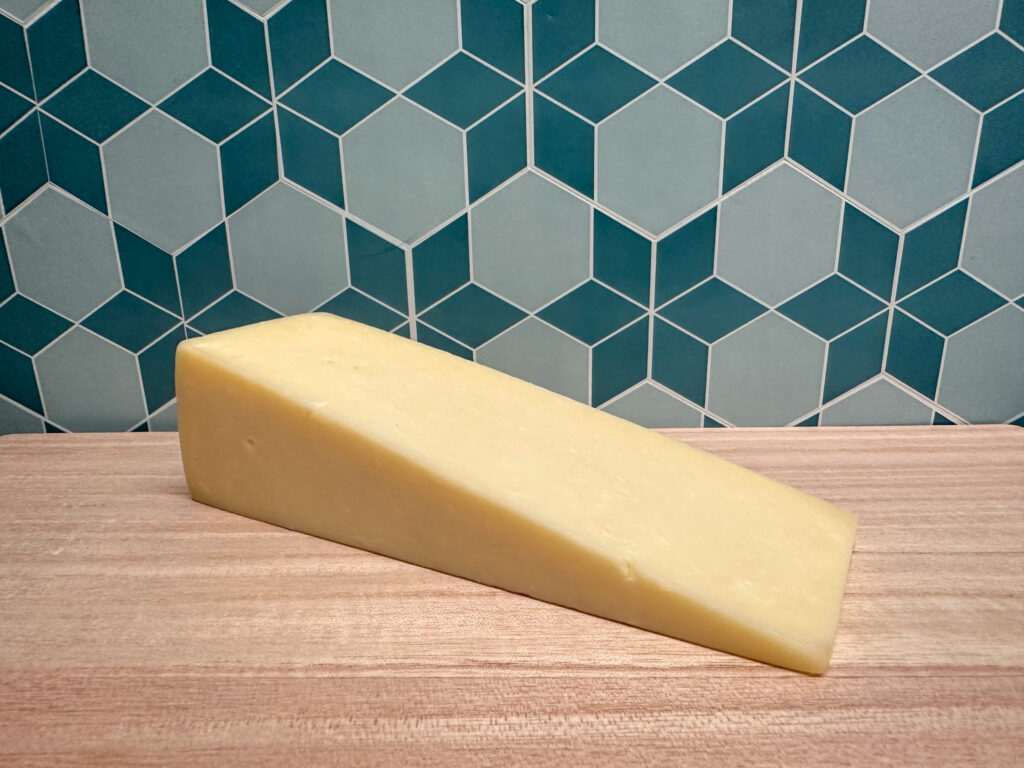
Asiago is a cheese that sounds fancy, but is pretty ubiquitous in our foods. Whether you’re grabbing an asiago bagel or grating it onto a grilled cheese, this cheese adds a ton of flavor and interest in your dishes. This is the cheese I’d point to if you’re looking for a cheese that will shine through in your mac and cheese.
What is Asiago Cheese?
Asiago is an Italian cheese made from cow’s milk that comes in two distinct varieties. It’s important to pay attention to which age of cheese you buy when shopping, because their characteristics are very different.
Young Asiago
Young asiago is smooth and mildly flavored. The aging process adds sharpness to the flavor profile of a cheese, and young cheese has not had time to develop. Because it has such a mild flavor, young asiago is better as a melting cheese than a flavorful cheese. This makes it a great option for grilled cheese or to add smoothness to sauces.
Aged Asiago
Aged asiago has a stronger flavor and a drier texture than its younger, milder counterpart. Its firm, crumbly structure works best when grated, and it does not melt as easily, but if you add it slowly, you can generally coax it into a creamy sauce.
Because aged asiago is stronger in flavor than a lot of other cheeses, you’ll want to use less of it in a cheese sauce than Cheddar, for example. You want the asiago to complement your sauce but not completely take it over.
How to Use Asiago Cheese in Mac and Cheese
Well-balanced recipes make use of both opener flavors (cheeses that show up early in the bite) and closer flavors (cheeses whose flavor takes a few seconds to develop). You can learn more about this in my how to use cheese in mac and cheese article where I talk about the role of cheese flavor in a recipe.
Asiago is a closer cheese that offers a savory, nutty, salty flavor to a dish. It packs a ton of flavor in a small package that almost always shows up at the end and carries through the next bite. As it is a strongly flavored cheese, you’ll want to pair it with an opener cheese that also has a strong flavor to avoid your pairing cheese becoming overpowered. In a prepared cheese sauce, you’ll want to reach for an aged asiago to help those strong savory flavors shine through.
Alternatives to Asiago Cheese
Asiago is a great choice for mac and cheese flavor, but if you want to explore a different palate, all of these choices are great options. Pay attention to the amounts you add! You can always add more, but once it’s in the sauce you can’t pull it back out.
Parmesan
Many people assume Parmesan and asiago are the same, and it is easy to see why. Both are hard Italian cheeses that deliver a savory closer flavor, but they are not interchangeable. Parmesan is more intensely aged, drier, and sharper, while asiago tends to be slightly rounder and less aggressive.
Parmesan can be substituted for asiago if you are looking to change up the flavor of a dish, but it should be used more sparingly. Because Parmesan is saltier and more concentrated, it works best as a supporting or finishing cheese rather than a one-to-one replacement in a cheese sauce.
For more information about Parmesan, check out my article on How to Use Parmesan in Mac and Cheese.
Gruyere
Gruyere (pronounced groo-yair) is the most subtle alternative choice in this list, but it makes beautiful mac and cheese. Due to it’s more mild flavor, this is one that you’ll want to slightly increase the amount of cheese if you’re replacing asiago, but it shines beautifully in a dish.
Pecorino Romano
Pecorino Romano is a hard Italian cheese made from sheep’s milk that adds a ton of sharpness to mac and cheese. You’ll want to be cautious using too much romano because it tends to lean saltier than other cheeses and can quickly overpower everything in your dish. If you add it slowly it can make a great replacement for asiago.
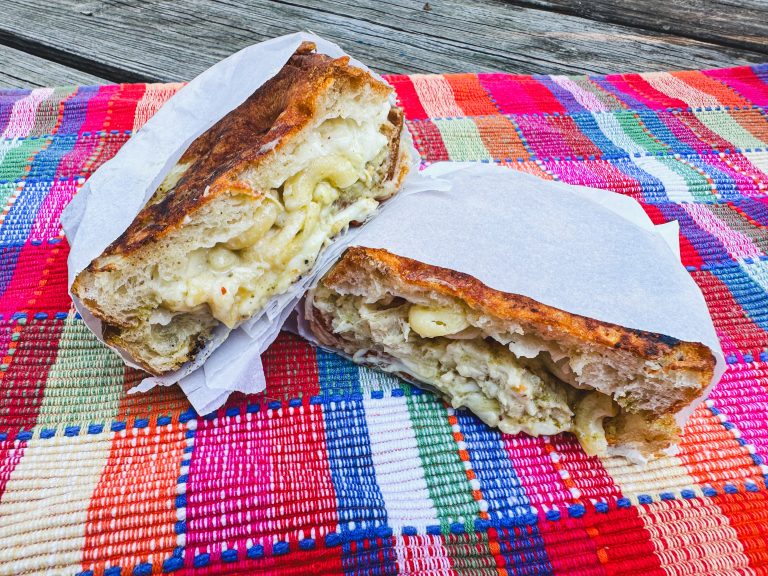
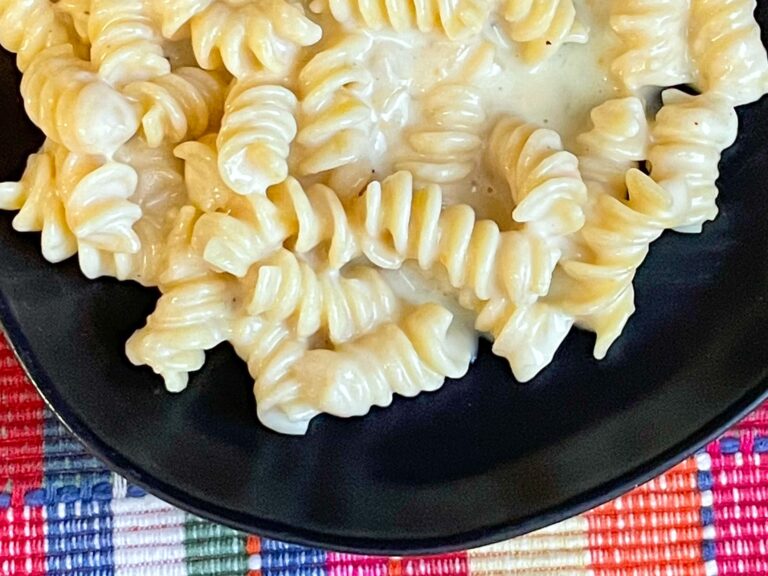
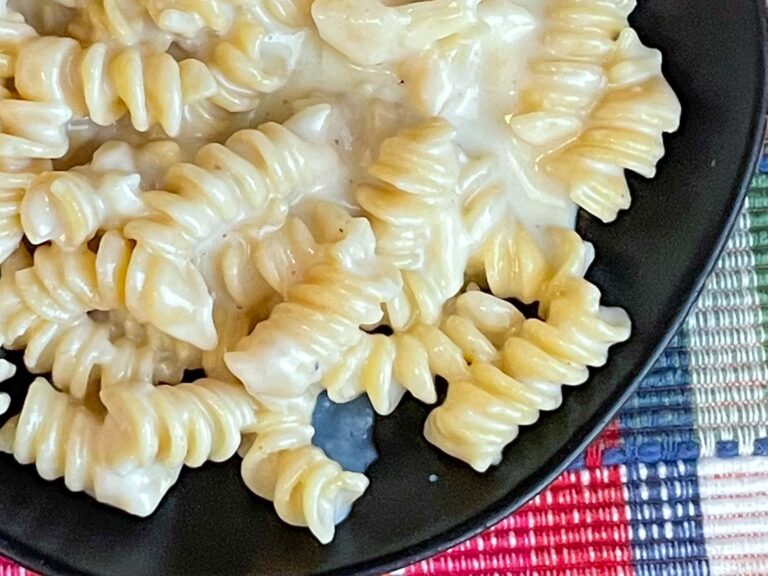
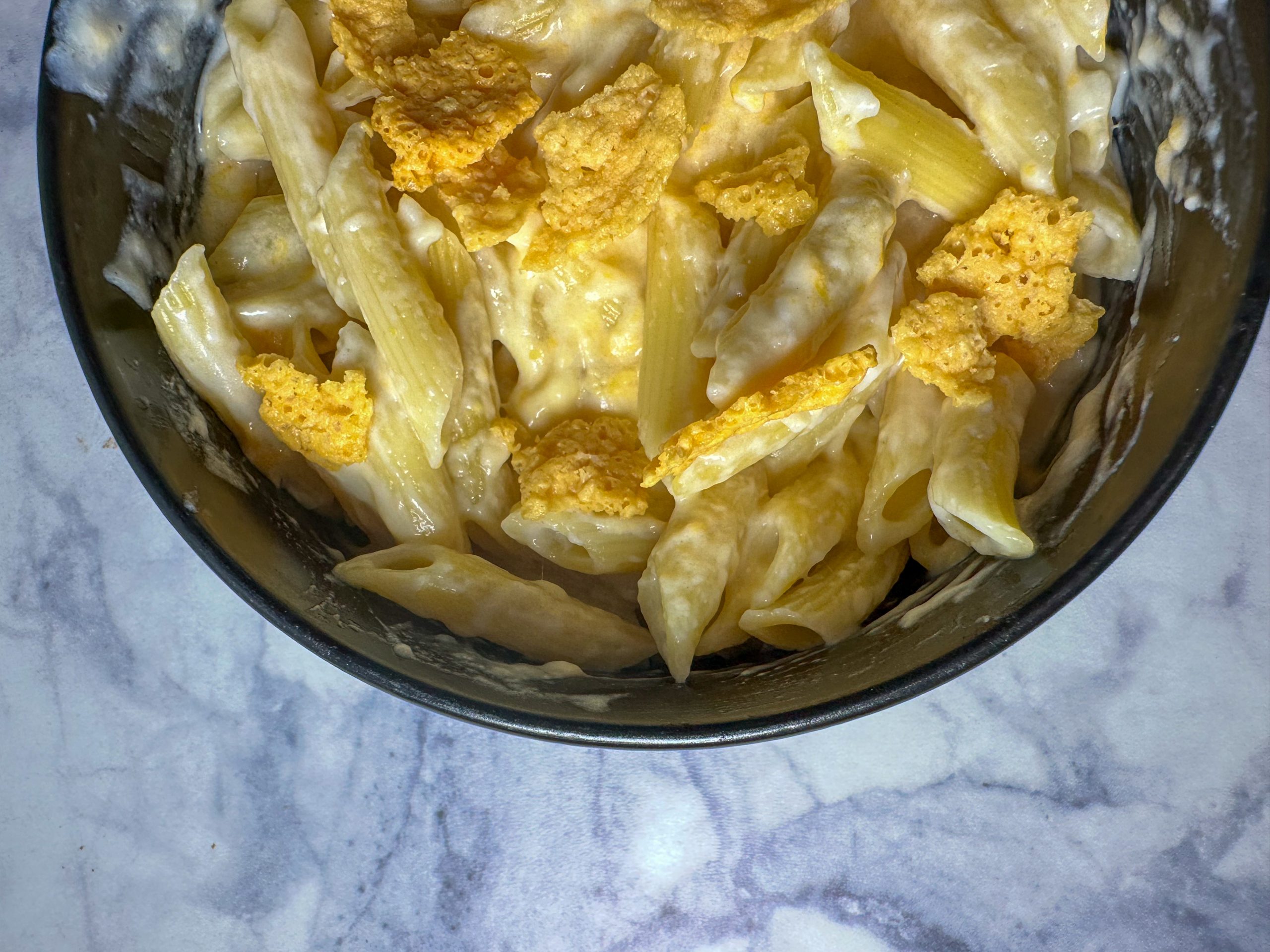
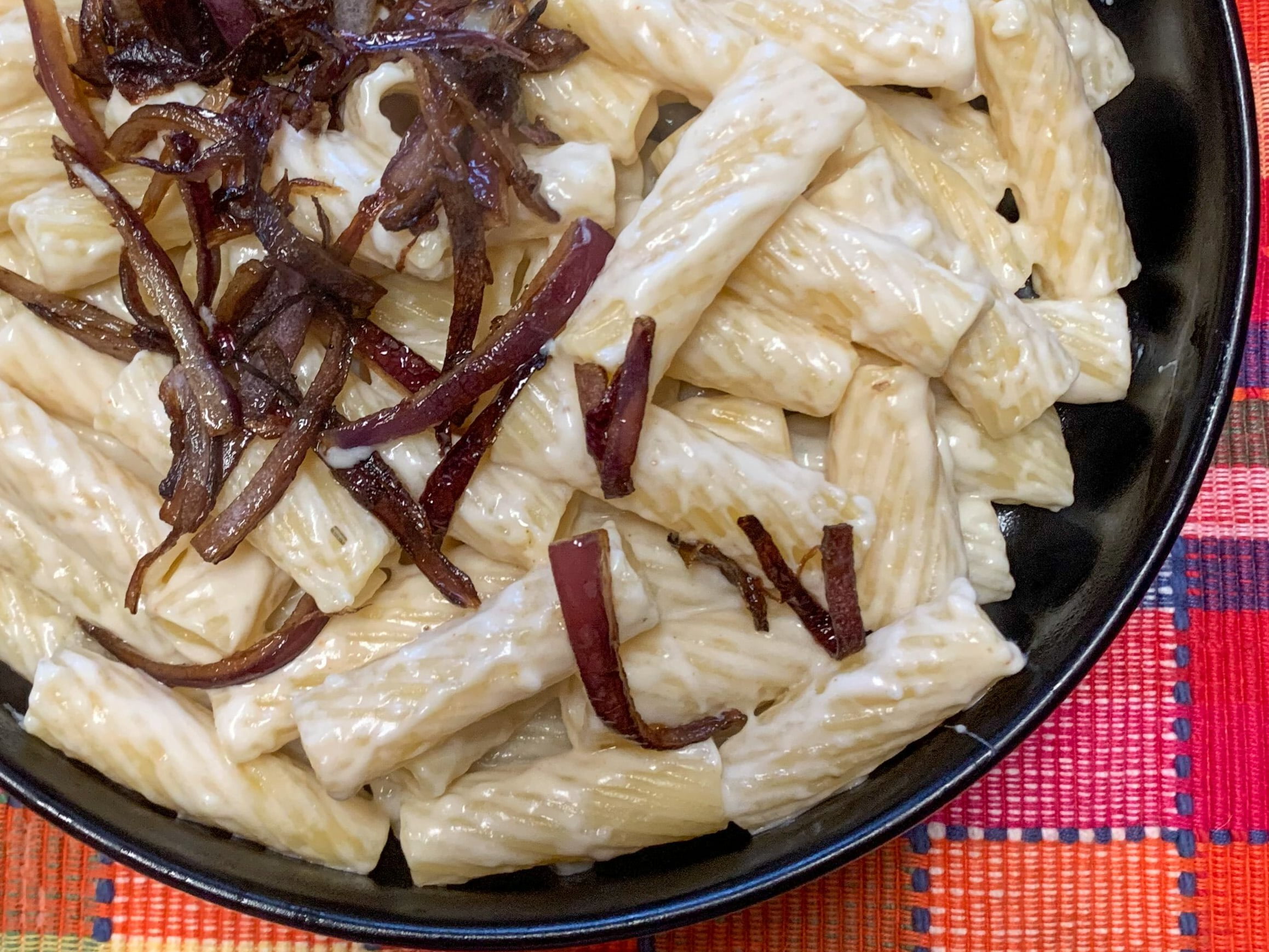
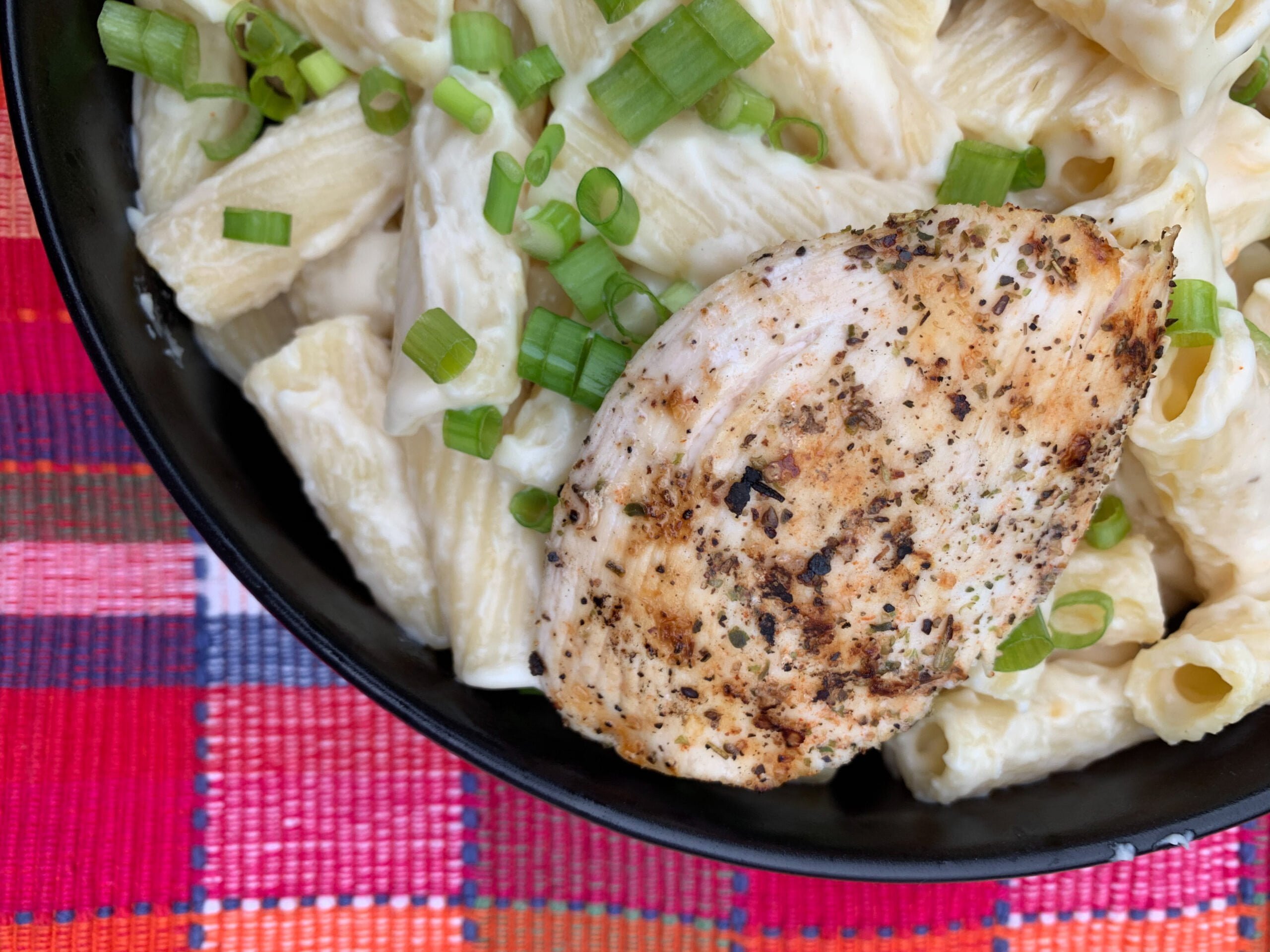
Mac and Cheese Recipes that Use Asiago Cheese





One Comment
Pingback:
February 24, 2026 at 11:18 am